
Steel & Heat-Treat Guide
A knife’s performance comes from the combination of steel, heat treatment, and blade geometry. The right choice depends on what you cut, how you use the knife, and how much maintenance you prefer.
I work with carbon steels, MagnaCut stainless, and Damascus made in-house. Materials and availability vary by knife and project.
Choosing Your Steel
| Material | Why choose it? | Care considerations |
|---|---|---|
| 52100 carbon steel | A carbon-steel option for fine cutting edges in kitchen and utility knives. | Develops a patina and needs prompt drying and occasional oiling. |
| 80CrV2 carbon steel | A versatile choice used across my kitchen and field knives. | Needs the same attention to moisture and storage as other carbon steels. |
| MagnaCut stainless steel | A balance of corrosion resistance, toughness, and edge retention for customers who prefer less maintenance. | Hand-wash and dry after use. Stainless steel is corrosion-resistant, not maintenance-free. |
| In-house carbon Damascus | Pattern-welded steel that brings distinctive visual character to a working blade or collector piece. | Requires carbon-steel care. The etched pattern does not prevent rust. |
Carbon Steel: 52100 & 80CrV2
Both 52100 and 80CrV2 are non-stainless steels. I use them in knives with geometry and heat treatment suited to the intended work.
With use, carbon steel develops a patina—a change in color caused by contact with food, moisture, and other materials. A patina is normal, but it does not replace cleaning and drying.
Wipe the blade during use, hand-wash it afterward, and dry it promptly. Apply a light coating of suitable oil before storage, particularly in humid conditions. For food-use knives, choose a food-safe product.
MagnaCut Stainless Steel
MagnaCut is a powder-metallurgy stainless steel developed specifically for knives by metallurgist Dr. Larrin Thomas. It offers a useful combination of corrosion resistance, toughness, and edge retention.
It is an option for customers who want less maintenance than carbon steel requires. It still benefits from hand-washing, prompt drying, and sensible storage.
Check current listings for available MagnaCut knives. Other designs can be discussed as custom requests, subject to material availability and suitability for the project.
Damascus Made In-House
I make my carbon Damascus from scratch by forge-welding layers of steel and developing the pattern through further forging, cutting, and manipulation.
Damascus describes the patterned construction rather than a single steel grade. The alloys, pattern, heat treatment, and blade geometry all matter to the finished knife.
More complex patterns require additional work and can consume substantially more material than remains in the blade. With some patterns, usable yield can fall to around 10% of the starting material. That additional labor and material loss are major reasons Damascus costs more.
Depending on the pattern and construction, Damascus can double the price of a comparable monosteel knife or increase it further. Custom Damascus is quoted as part of the complete project.
My in-house carbon Damascus requires the same cleaning, drying, and rust prevention as other carbon-steel knives.
Forging & Stock Removal
I use both forging and stock removal.
Forging shapes heated steel under a hammer or press. Stock removal shapes the blade by cutting and grinding steel stock. The method depends on the material and the design.
Both methods involve careful shaping, heat treatment, grinding, and finishing. A knife’s performance depends on how those steps work together.
What Heat Treatment Does
Heat treatment develops the steel’s working properties through controlled heating, cooling, and tempering. The appropriate process depends on the alloy and its condition before hardening.
I select heat treatment around the steel and the intended use of the knife. A thin kitchen blade and a field knife may call for different choices in hardness and geometry.
Rockwell hardness, usually written as HRC, is one useful specification. A higher number alone does not mean a better knife: hardness, toughness, wear resistance, and edge geometry need to suit the work.
Check individual listings for build-specific information. Contact me if a particular specification is important to your purchase.
Steel Is Only Part of the Decision
Blade thickness, the grind behind the edge, blade shape, and sharpening angle all affect cutting performance.
Choose a knife for the tasks you actually intend to do. A fine slicing edge should not be treated like a chopping tool, and no steel makes a knife suitable for prying or use as a screwdriver.
For everyday care, see the Knife Care & Maintenance Guide. Warranty coverage and exclusions are explained on the Lifetime Warranty page.
Need Help Choosing?
Tell me what you plan to cut, where you’ll use the knife, and whether you prefer carbon steel or a lower-maintenance stainless option.
Email sales@dobermanforge.com, or visit the custom-order page to discuss a particular design or material.
Replies may come from dobermanforge@gmail.com.
Collections
-
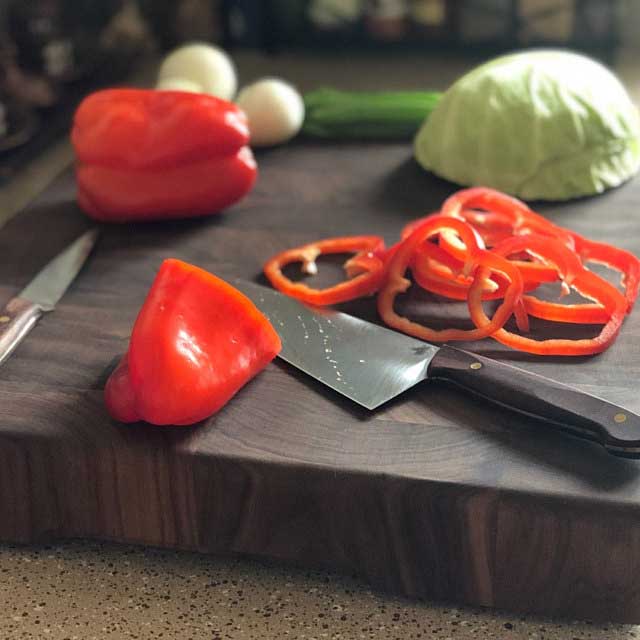
Kitchen Knives
Good kitchen knives start with an understanding of how cooks work. As...
-
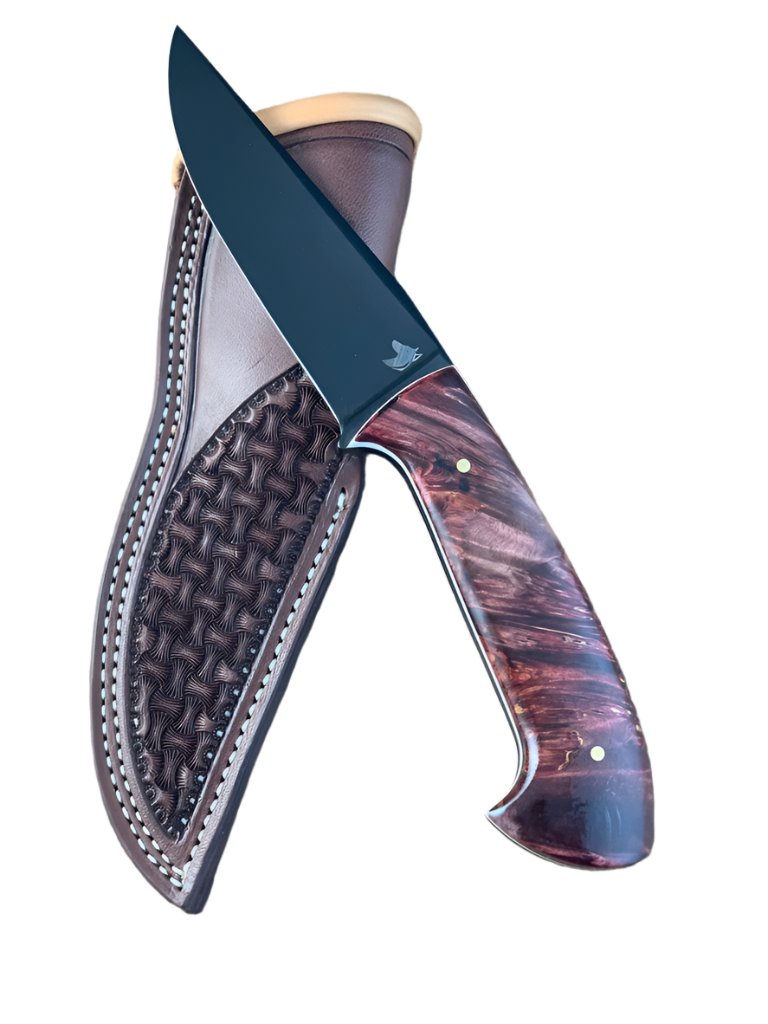
EDC & Field Knives
Handmade in North Carolina, Doberman Forge EDC and field knives range from...
-
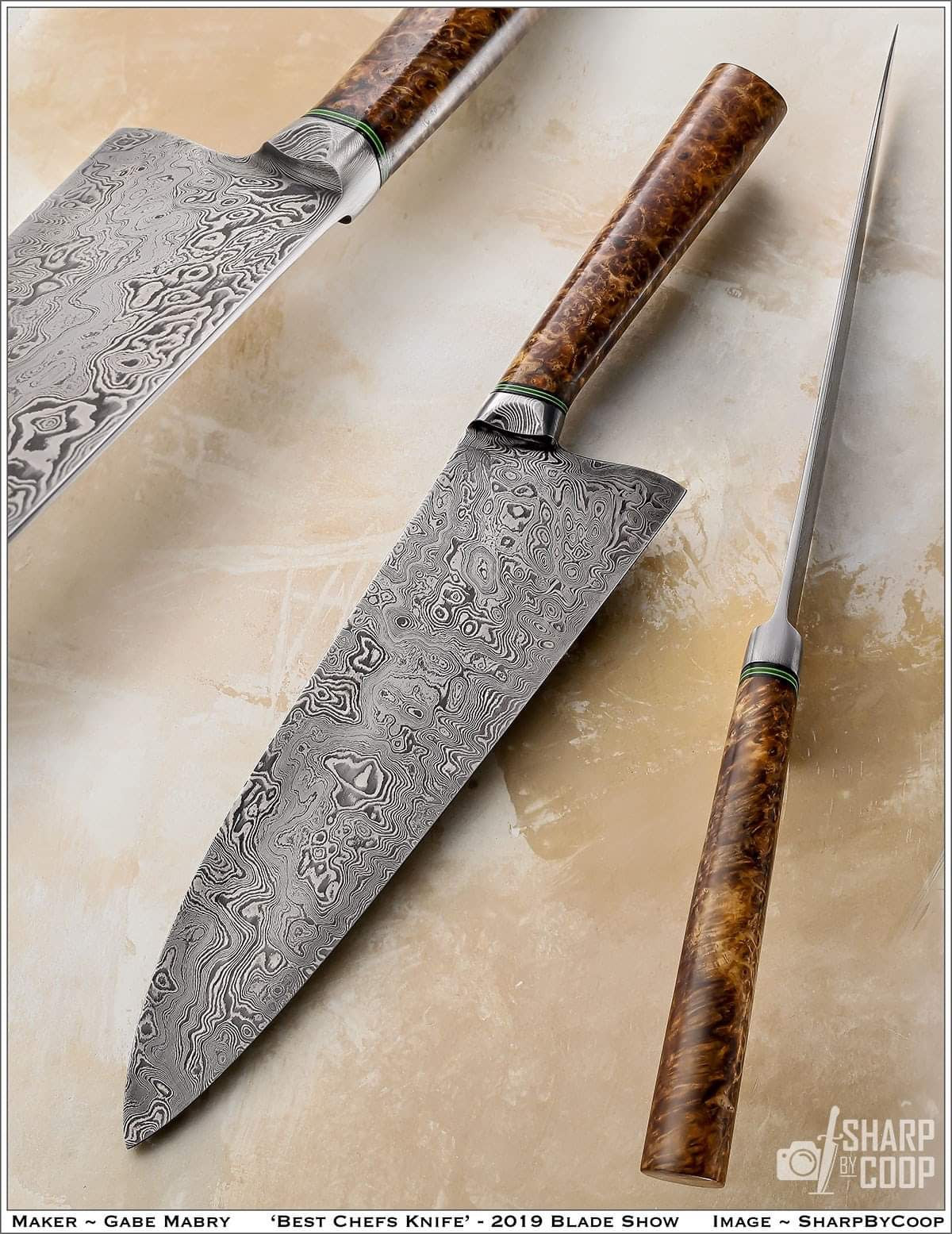
Single-edition collector pieces.
Every knife in this collection is an individual piece, handmade by Gabe...


